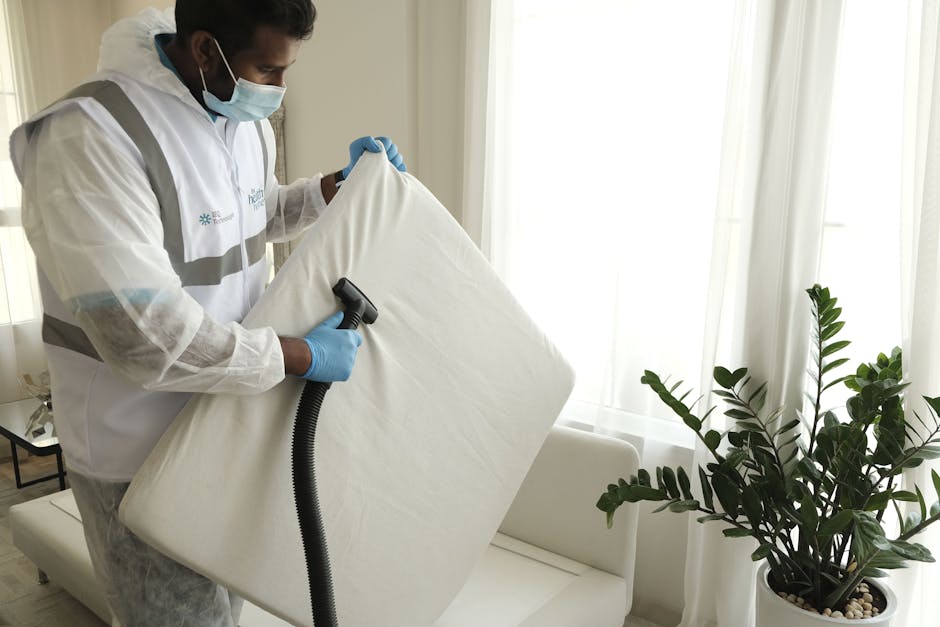
Emergency mattress stain cleaning Shoreditch N1 same day: what to do, what to avoid, and when to call in help
If you have just spotted a fresh stain on your mattress, you already know the feeling: a quick glance, a sinking stomach, and then the mild panic of wondering whether it will ever come out. Emergency mattress stain cleaning Shoreditch N1 same day is exactly the kind of service people look for when time matters, the stain is still active, and you need a proper fix before it sets, spreads, or starts to smell. In a flat near Shoreditch High Street, a busy rental in N1, or a family home where life happens fast, same-day action can make the difference between a minor incident and a mattress that is stubbornly marked for months.
This guide explains how emergency mattress stain cleaning works, when it is worth booking, what results you can realistically expect, and the practical steps you can take straight away. You will also find tips on stain types, common mistakes, compliance and safety considerations, and a few honest pointers that help you make a better decision under pressure. Let's face it, nobody plans to Google mattress rescue at 11pm.
Why emergency mattress stain cleaning matters
A mattress is not like a washable sheet or a throw blanket. Once a liquid has gone through the surface fabric, it can sink into the comfort layers, fill padding with moisture, and leave behind a mark that is much harder to remove later. The problem is not only the stain you can see. It is the moisture you cannot see.
That is why same-day mattress stain treatment matters so much. A fresh spill that is handled quickly is usually easier to lift, neutralise, and dry properly. Leave it overnight and the situation changes. Proteins, tannins, dyes, body oils, urine, coffee, wine, make-up, and even plain water with dirt in it can leave a visible tide mark once dry. The stain may also begin to smell, especially in a warm room or a tightly fitted mattress protector.
In Shoreditch and across N1, many people are working around tight schedules, shared flats, short-term lets, or moving timelines. A mattress stain can be more than annoying. For landlords, hosts, tenants, and homeowners alike, it can affect sleep hygiene, presentation, deposit issues, and confidence in the room. If the mattress is in a guest bedroom or a rental property, the pressure is even higher. You want it dealt with properly, quickly, and with as little disruption as possible.
Key takeaway: the faster you remove moisture, blot residue, and use the right cleaning method for the stain type, the better your chances of saving the mattress surface and avoiding odour.
How emergency mattress stain cleaning works
Same-day mattress stain cleaning is usually a combination of inspection, stain identification, targeted treatment, controlled extraction or blotting, and careful drying. It sounds simple, but the detail matters. A good cleaner will not just scrub at the top layer and hope for the best. That often pushes the stain deeper. Instead, the process is usually more measured.
First comes assessment. Is the stain fresh or set? Is it on the sleeping surface only, or has it soaked into the border and seams? Is there a smell? Does the mattress have memory foam, pocket springs, latex, or a hybrid build? Different materials react differently to moisture and agitation. A water-sensitive filling or delicate cover may need a gentler approach than a standard cotton-blend surface.
Next comes stain identification. This is where experience counts. A red wine mark behaves differently from a urine stain. A blood stain needs a different approach again, and grease or body oil is another category altogether. In practical terms, the wrong cleaner can lock a stain in place, set the colour, or leave a chalky residue that looks worse than the original problem.
After that, the cleaner applies a suitable treatment, usually by working in small controlled areas. The aim is to lift the contamination without over-wetting the mattress. Over-wetting is one of the biggest risks with emergency cleaning. A mattress that feels wet for too long can develop odour, slow drying, and in poor cases a deeper hygiene issue. To be fair, a lot of DIY damage starts right there.
Finally, drying is managed as carefully as the cleaning itself. Airflow, room temperature, ventilation, and extraction all matter. A stain may look improved after 20 minutes, but if the core stays damp, the job is not really finished. Good same-day service should leave you with a mattress that is clean, lightly damp at most, and safe to air out properly.
Typical same-day flow
- Rapid assessment of stain type and mattress material
- Spot treatment using the least aggressive effective method
- Blotting or extraction to remove soil and moisture
- Odour-focused treatment if needed
- Drying guidance for the room and mattress
- Final check for residue, edges, and seam marks
If the stain is severe, the cleaner may need to repeat the process in stages. That is normal. Better to work carefully than force the issue and ruin the fabric.
For related care across the home, it can also help to look at mattress cleaning for routine maintenance and stain removal for other fabrics and surfaces that need a more targeted approach.
Key benefits and practical advantages
The big advantage of same-day stain cleaning is obvious: speed. But speed alone is not the whole story. What you are really buying is damage control. That can save money, time, and a fair bit of stress.
- Better stain lift: fresh marks are usually easier to remove before they settle into fibres and padding.
- Reduced odour risk: moisture and organic residues are far less likely to linger when treated promptly.
- Less mattress damage: a professional approach avoids rough scrubbing, colour loss, and over-wetting.
- Quicker room recovery: useful if the bed is needed the same night or the next morning.
- Better presentation: especially helpful for rentals, guest rooms, and moving-day situations.
- More confidence: once the stain is handled, you are not staring at it all evening wondering if it will spread.
There is another practical benefit people often miss: a same-day visit gives you a clearer answer on whether the mattress is salvageable. Sometimes a stain looks dramatic but is actually manageable. Sometimes, sadly, a small mark has already travelled deeper than expected. Knowing that quickly is useful. It stops guesswork.
For homes and rentals where soft furnishings also need attention, it may make sense to pair mattress treatment with upholstery cleaning or, where the problem is broader, a deep cleaning visit. That is not always necessary, but it can be efficient if the incident affected more than one surface.
Who this is for and when it makes sense
This service is not only for emergencies in the dramatic sense. Yes, it helps after an accidental spill at midnight. But it also makes sense in a lot of quieter, practical situations where timing is the issue.
You may need same-day mattress stain cleaning if:
- a guest or tenant has just reported a fresh spill
- there is a urine, sweat, blood, or vomit stain that should be handled quickly
- you are preparing a room for the night after an accident
- you manage a short-let or Airbnb property and need the bed ready fast
- you are moving out and want to avoid obvious bedding damage
- a child, pet, or sick family member has caused a fresh mark
- you have already tried cleaning it and the stain has spread
In Shoreditch, where homes can be compact and beds are often used hard, the margin for delay is small. A narrow room, a shared flat, or a live booking schedule does not leave much room for mistakes. A same-day response can be the practical choice, not the luxury one.
If you are managing a rental or guest property, it is also worth thinking about the wider cleaning plan. Services such as Airbnb cleaning, end of tenancy cleaning, or move-out cleaning can be useful when a mattress issue is part of a larger turnover.
Step-by-step guidance
If you are trying to manage the situation before a cleaner arrives, or you simply want to understand what happens next, this section will help. The best thing you can do is stay calm and work methodically. No heroics. No aggressive scrubbing. Honestly, the panicked towel-flap approach rarely helps.
1. Act immediately
Blot the stain gently with a clean, dry cloth or paper towel. Press down, lift, and repeat. Do not rub. Rubbing spreads the stain and can rough up the fabric surface.
2. Remove bedding and protect the area
Strip the bed right away. If the stain is fresh and the mattress is still damp, keep blankets, duvets, and pillows away from the wet area so nothing else picks up the smell or colour.
3. Identify the stain if you can
Not every stain needs the same treatment. Coffee, blood, urine, sweat, wine, and make-up all behave differently. If you know what caused it, say so when booking help. That saves time and improves the result.
4. Avoid soaking the mattress
A little product used correctly is better than a lot of product used badly. Excess water pushes contamination deeper and can make drying painfully slow.
5. Keep the mattress ventilated
Open a window if the weather allows. Use a fan if you have one. A light airflow over a damp mattress is much better than sealing the room and hoping for the best.
6. Book professional help if the stain is significant
If the stain is large, set in, smelly, or on a mattress with delicate materials, get a specialist out the same day if possible. The sooner the treatment starts, the better the odds.
7. Check the result after drying
When the mattress has dried, look at the stain from a few angles and under decent light. Some marks only show when the nap of the fabric changes. Morning light is often the most honest, which is a bit rude, but useful.
Practical rule: blot first, treat second, dry thoroughly last. If any step turns into scrubbing, flooding, or repeated guessing, stop and reassess.
Expert tips for better results
A few small choices can improve the outcome quite a lot. This is the part that separates a decent result from a so-so one.
- Use cold or lukewarm water for protein-based stains: heat can set blood or similar residues into fibres.
- Work from the outside in: this helps prevent the stain from spreading outward in a ring.
- Test gently first: even a product that is fine on one mattress can affect another, especially with dyed fabric.
- Ventilate early: drying starts immediately, not after the cleaning stage ends.
- Protect the surrounding area: towels under the mattress edge can help keep moisture from reaching the base.
- Use an odour-aware approach: a stain can look better while still smelling faintly wrong, so smell-check matters.
One of the most useful habits is to think in layers. The visible stain is only the top layer of the problem. Beneath that is residue, moisture, fibre distortion, and sometimes odour. You want each layer addressed, not just the one your eye catches first.
If the stain came from a pet, things get a little more complicated because odour can linger even when the mark seems light. In those cases, a targeted pet stain odour removal treatment may be the smarter route. The smell is often the clue that the job needs more than a quick surface clean.
Also, if the mattress incident happened during a move or tenant handover, it may be worth coordinating with move-in cleaning or a broader home refresh. A single stain sometimes sits inside a larger "everything needs sorting today" moment. We have all been there.
Common mistakes to avoid
Emergency cleaning tends to go wrong in predictable ways. The good news? Most of them are avoidable.
- Rubbing the stain: this can spread the mark and push it deeper.
- Using too much liquid: mattresses do not forgive over-wetting easily.
- Mixing random products: this can cause residue, odour, or fabric damage.
- Ignoring the mattress type: a memory foam mattress needs different handling from a basic spring mattress.
- Not drying fully: a "looks clean" mattress that stays damp is not actually a win.
- Waiting too long to act: the stain has a head start the longer you leave it.
- Assuming all stains are the same: they are not, and mattress fibres make that even more obvious.
Another mistake is thinking a strong smell must mean a strong chemical is needed. Not necessarily. More often, it means the stain has soaked further than expected and needs a proper extraction and drying plan, not a heavy-handed spray. Weirdly enough, less can sometimes do more.
If the rest of the room also needs attention after an incident, a targeted one-off cleaning visit can help reset the space without committing to a recurring schedule. That can be handy in real life, where not every mess fits into a tidy service package.
Tools, resources and recommendations
You do not need a van full of equipment to handle a fresh mattress stain, but you do need the right basics. A tidy kit makes the job far easier.
| Tool or item | Why it helps | Best use |
|---|---|---|
| Clean white cloths | Lets you blot without transferring dye | Fresh spills and repeated drying |
| Paper towels | Useful for quick moisture removal | Immediate response |
| Vacuum with upholstery attachment | Helps remove loose debris after drying | Final tidy-up |
| Fan or airflow | Supports safer drying | Post-clean ventilation |
| Mattress protector | Helps prevent future stains | After the mattress has dried |
| Gentle stain treatment product | May lift the residue when used correctly | Targeted cleaning only |
For bigger home care plans, useful related services include steam carpet cleaning where flooring has also been affected, or sofa cleaning if the same incident involved a bed, chair, or soft seating. A spill rarely respects one piece of furniture, unfortunately.
And if you are trying to make the whole property feel fresh again, you may also want to look at domestic cleaning or regular cleaning for longer-term upkeep once the emergency is over.
Law, compliance, standards and best practice
Mattress stain cleaning itself is usually a practical household or commercial cleaning task, not a heavily regulated specialist process. Still, there are sensible UK best-practice considerations worth keeping in mind, especially if the work is being done in a rented property, a managed building, or a business setting.
First, safety matters. Cleaning products should be used according to their instructions, with suitable ventilation and care around children, pets, and anyone with respiratory sensitivity. That sounds obvious, but in a panic it is easy to overdo a product or mix two things that should never be mixed. Best practice is simple: read labels, use only what is needed, and keep the room aired.
Second, handling must be careful in shared or commercial spaces. If a cleaner is entering a property, normal expectations around insurance, access, and professional conduct apply. It is sensible to choose a provider that can explain how they work, what they cover, and how complaints are handled if something goes wrong. For general reassurance, pages such as insurance and safety, health and safety policy, and terms and conditions help set clear expectations before anyone arrives.
Third, hygiene should be treated with common sense. A mattress stain that involves bodily fluids, mould, or lingering odour may call for a more careful approach than an ordinary spill. In some situations, replacement is the safer or more economical option. That is not dramatic; it is just honest.
Finally, if you are managing a rental, short-let, or office accommodation space, prompt cleaning supports good presentation and smoother turnover. If the issue is part of a wider site condition problem, related services such as communal area cleaning or commercial cleaning may be relevant too. Different context, same principle: keep the environment safe, presentable, and properly maintained.
Options, methods and comparison
Not every mattress stain should be handled in the same way. The best choice depends on the stain, the timing, and the mattress material. Here is a simple comparison.
| Method | Best for | Pros | Limits |
|---|---|---|---|
| Blotting and airing | Very fresh, light spills | Fast, low-risk, no heavy moisture | May not remove deeper residue |
| Spot cleaning | Small localised stains | Targeted and efficient | Needs the right product and technique |
| Professional extraction | Stains with moisture, odour, or deeper penetration | Better for fibres and drying control | Requires proper equipment and care |
| Full mattress clean | Multiple marks, repeated use, general hygiene concerns | More thorough reset | Takes longer and may cost more |
There is also a practical decision around whether to clean now or replace later. If the mattress is expensive, relatively new, and the stain is localised, cleaning usually makes sense. If it is old, heavily marked, or already unpleasant in smell or feel, replacement may be more sensible. A good cleaner should be comfortable saying that. Not every mattress is a hero story.
If the mattress forms part of a wider refresh, some people bundle work with house cleaning or even move-out cleaning when a move is imminent. That way the whole space is dealt with in one practical pass.
Case study or real-world example
A realistic example: a renter in N1 notices a fresh tea spill on a mattress just after 8pm. It is not a huge stain, but the mark is darkening and the room smells slightly damp. The bed is needed that night, so waiting until tomorrow is not ideal.
They start by blotting with a clean towel, remove the bedding, and avoid pouring anything else onto the area. By the time help is arranged, the stain is still fresh enough to respond well. The cleaner inspects the fabric, identifies the spill as a beverage stain rather than a protein-based one, and applies a targeted treatment in small sections. After careful extraction and airflow, the visible mark is greatly reduced and the mattress is dry enough to use again after proper airing.
What mattered most in that scenario was not some miracle product. It was timing, restraint, and the right method. If the same tea had been left until the following afternoon under a thick duvet, the result would probably have been worse. Simple as that.
Another common real-world version is a guest-room accident before new visitors arrive. In that case, people often combine mattress treatment with Airbnb cleaning or one-off cleaning so the room is ready without scrambling around at the last minute.
Practical checklist
Use this quick checklist if a mattress stain happens today.
- Blot the stain gently right away.
- Strip the bed and keep damp linens separate.
- Identify the stain source if possible.
- Avoid scrubbing or soaking the mattress.
- Improve airflow with a window or fan.
- Keep pets and children away from the wet area.
- Arrange same-day help if the stain is large, smelly, or spreading.
- Confirm whether the mattress is foam, sprung, or hybrid before cleaning begins.
- Allow full drying before remaking the bed.
- Use a mattress protector once the mattress is fully dry.
Quick reminder: the stain may be urgent, but the drying still needs patience. That part matters more than people think.
If you need a broader refresh after the emergency, it can also be worth exploring bedroom cleaning. Actually, no - that exact page is not listed, so keep the focus on the services above and get the mattress properly sorted first. One problem at a time is often the sanest way.
Need fast help today? If the mattress stain is fresh, stubborn, or affecting sleep plans, act now rather than waiting for it to settle in. Quick action usually means a cleaner finish, less stress, and a better chance of saving the mattress. If you are weighing up your options, take a moment to review service details, safety information, and pricing before booking so you know exactly what to expect.
Get a free quote today and see how much you can save.
Conclusion
Emergency mattress stain cleaning in Shoreditch N1 is really about protecting the mattress before a fresh problem becomes a long-term one. Same-day action gives you the best shot at lifting the mark, reducing odour, and keeping the room usable with minimal fuss. It is one of those jobs where speed, calmness, and the right method all matter at once.
If you remember only a few things, make them these: blot first, do not flood the mattress, identify the stain if you can, and do not wait too long before getting expert help. A good clean should leave you with more than a better-looking surface. It should give you peace of mind. And that, on a messy day, is worth a lot.
Sometimes the most reassuring thing is simply knowing the problem has a sensible next step.
Frequently Asked Questions
How fast can emergency mattress stain cleaning be done in Shoreditch N1?
Same-day cleaning is often the aim for fresh stains, provided the booking is made early enough and access is straightforward. The faster you act, the better the result usually is.
Can all mattress stains be removed the same day?
Not always. Fresh stains are much easier than old, set-in marks. Some stains improve dramatically in one visit, while others need more than one treatment or may not fully disappear.
Is it safe to clean a memory foam mattress at home?
Only with care. Memory foam absorbs moisture easily, so heavy soaking is a bad idea. Light blotting and controlled treatment are safer than pouring liquid onto the surface.
What should I do before a cleaner arrives?
Blot the stain gently, strip the bed, avoid rubbing, and keep the area ventilated. If you know what caused the stain, mention it when booking so the right method can be used.
Will a mattress still smell after the stain is cleaned?
It depends on how far the spill went and what caused it. A proper clean should reduce odour significantly, but deep contamination may take longer to neutralise.
Is same-day mattress stain cleaning worth it for a small mark?
If the mark is fresh, visible, or likely to spread, yes, it can be worth it. Small stains are often the easiest to deal with quickly, which makes prompt action a smart move.
Can urine stains be cleaned from a mattress?
Often they can be improved, especially if treated quickly. The challenge is usually not just the mark but the odour and moisture inside the mattress layers.
What types of stains are hardest to remove?
Set-in stains, blood that has dried, urine, dyes, ink, and older protein-based marks can be difficult. Grease and body oils can also be stubborn if left for too long.
Should I use bleach on a mattress stain?
No, bleach is usually a poor choice for mattresses. It can damage fabric, leave residues, and create a much bigger problem than the original stain.
How long does a mattress take to dry after professional cleaning?
Drying time depends on the material, the stain, the room temperature, and airflow. Good technique should avoid excessive wetting, which helps shorten the drying period.
Can mattress stain cleaning help with odour as well as the mark?
Yes, if the treatment addresses the source properly and the mattress is dried thoroughly. Odour control is a key part of emergency cleaning, not an optional extra.
What if the stain is part of a bigger cleaning job?
Then it often makes sense to combine the mattress treatment with a broader service such as deep cleaning, domestic cleaning, or Airbnb cleaning, depending on the property and timing.
How do I know whether to clean or replace the mattress?
Consider the age of the mattress, the size of the stain, any smell, and whether the surface or core has been affected. If the damage is extensive, replacement may be more sensible than repeated cleaning.
Where can I check service details, safety, and pricing?
You can review relevant information on pricing and quotes, insurance and safety, and the company's general policies before making a decision.